
The SEOLint blog
Guides on SEO, AI search visibility, Core Web Vitals, and developer tooling. Written for founders and developers who ship.
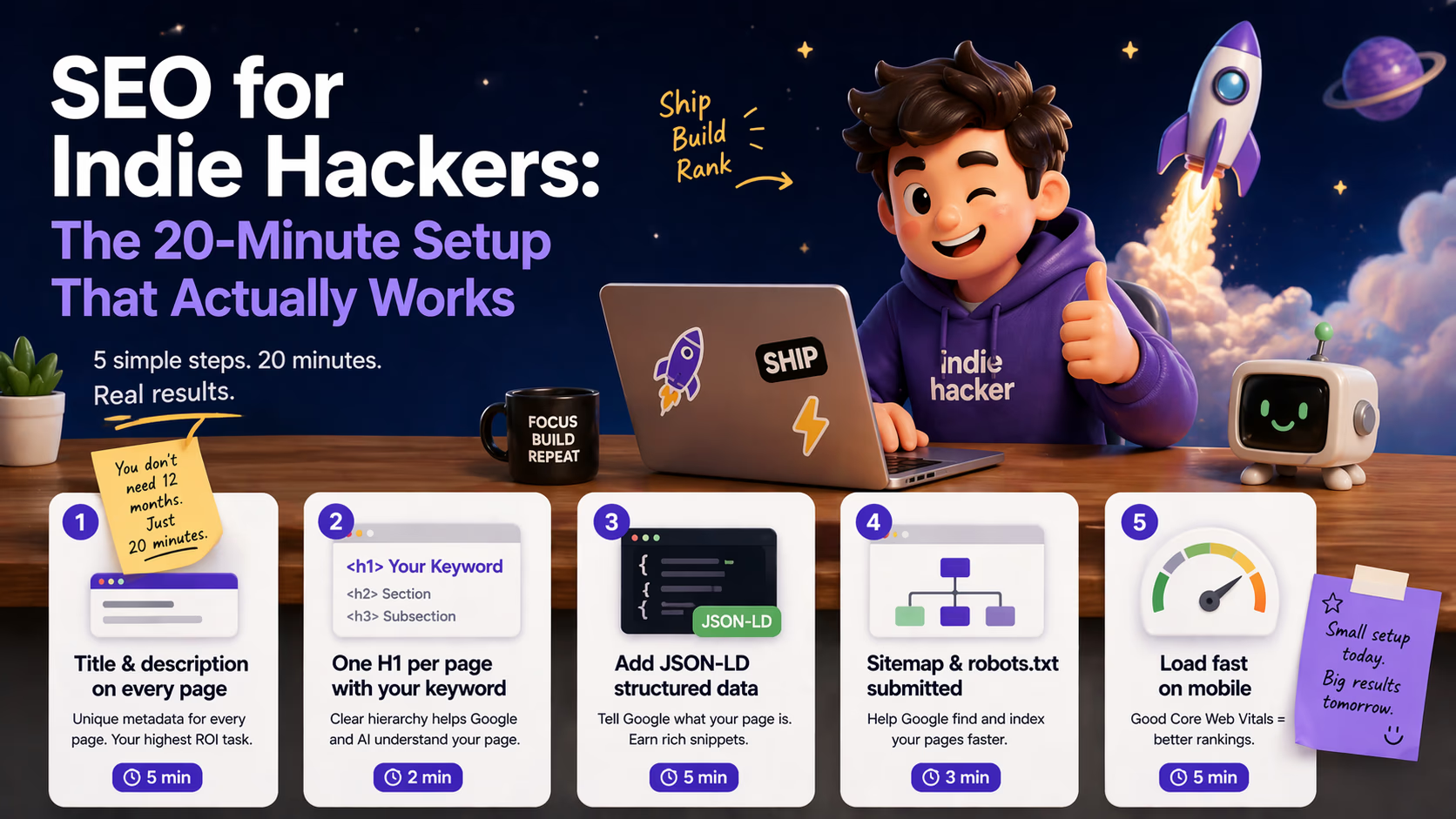
SEO for Indie Hackers: The 20-Minute Setup That Actually Works
The 5 things that actually matter for SEO on a new product site. No fluff, no theory. Just the setup that moves the needle for indie hackers shipping fast.
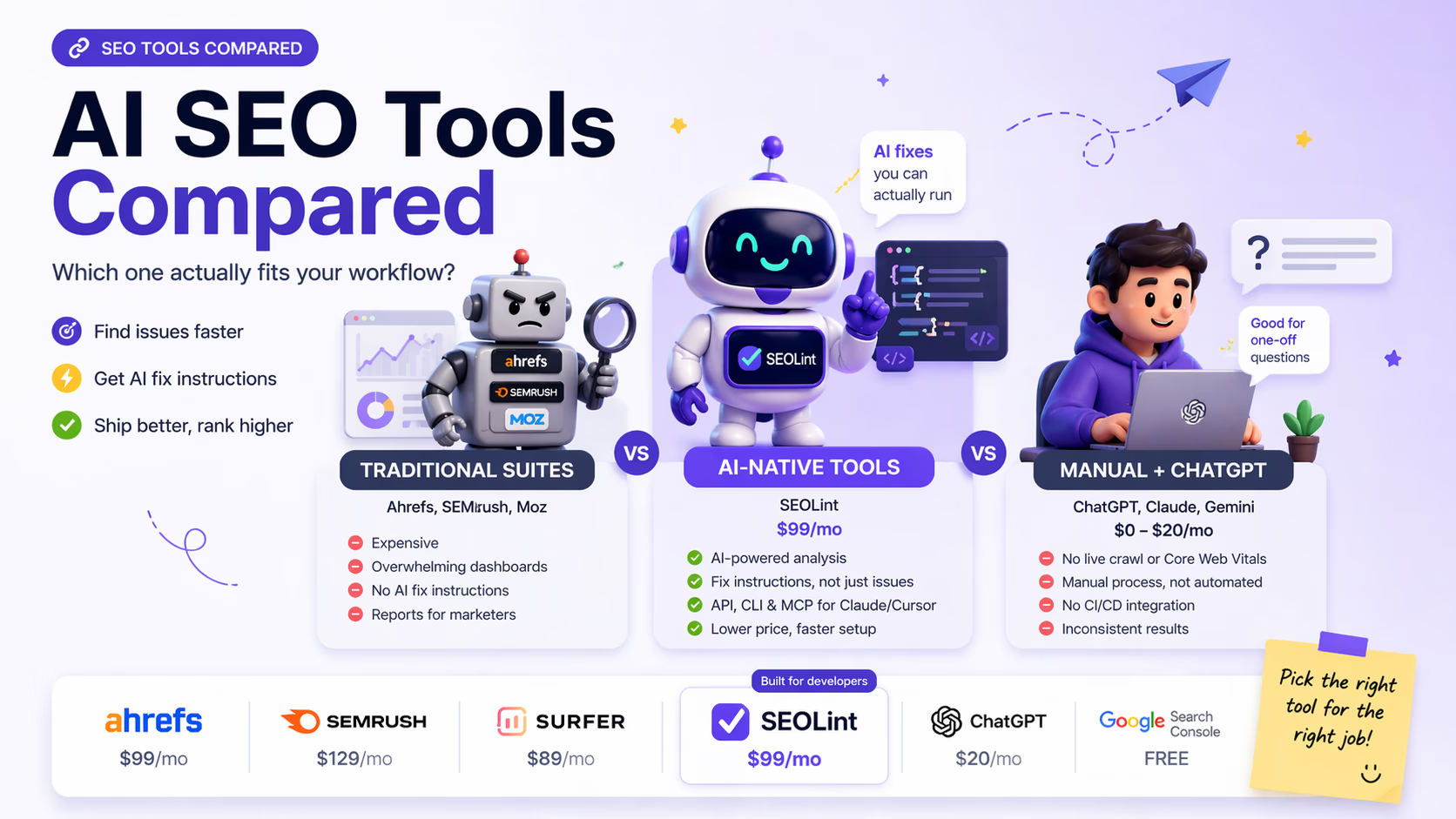
AI SEO Tools Compared: Which One Actually Fits Your Workflow?
AI SEO tools comparison for 2026. We compare traditional suites (Ahrefs, SEMrush), AI-native tools (SEOLint, SurferSEO), and manual ChatGPT workflows. Find the right fit.
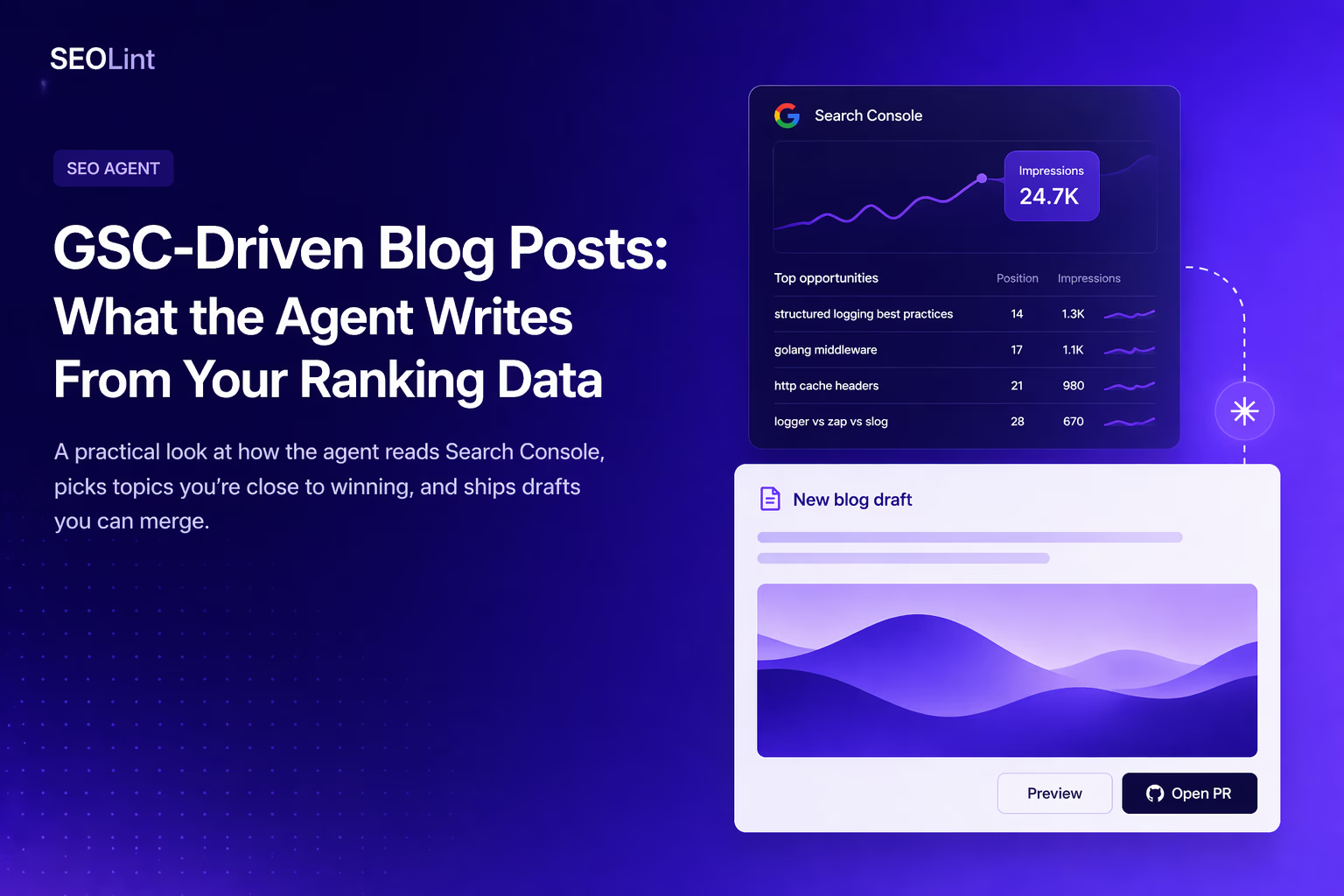
How an AI SEO Agent Writes Blog Posts From Search Console Data
How an AI agent uses Search Console data, ICP, and a homepage screenshot to propose topics, write drafts in your voice, and ship matching hero images. Weekly.
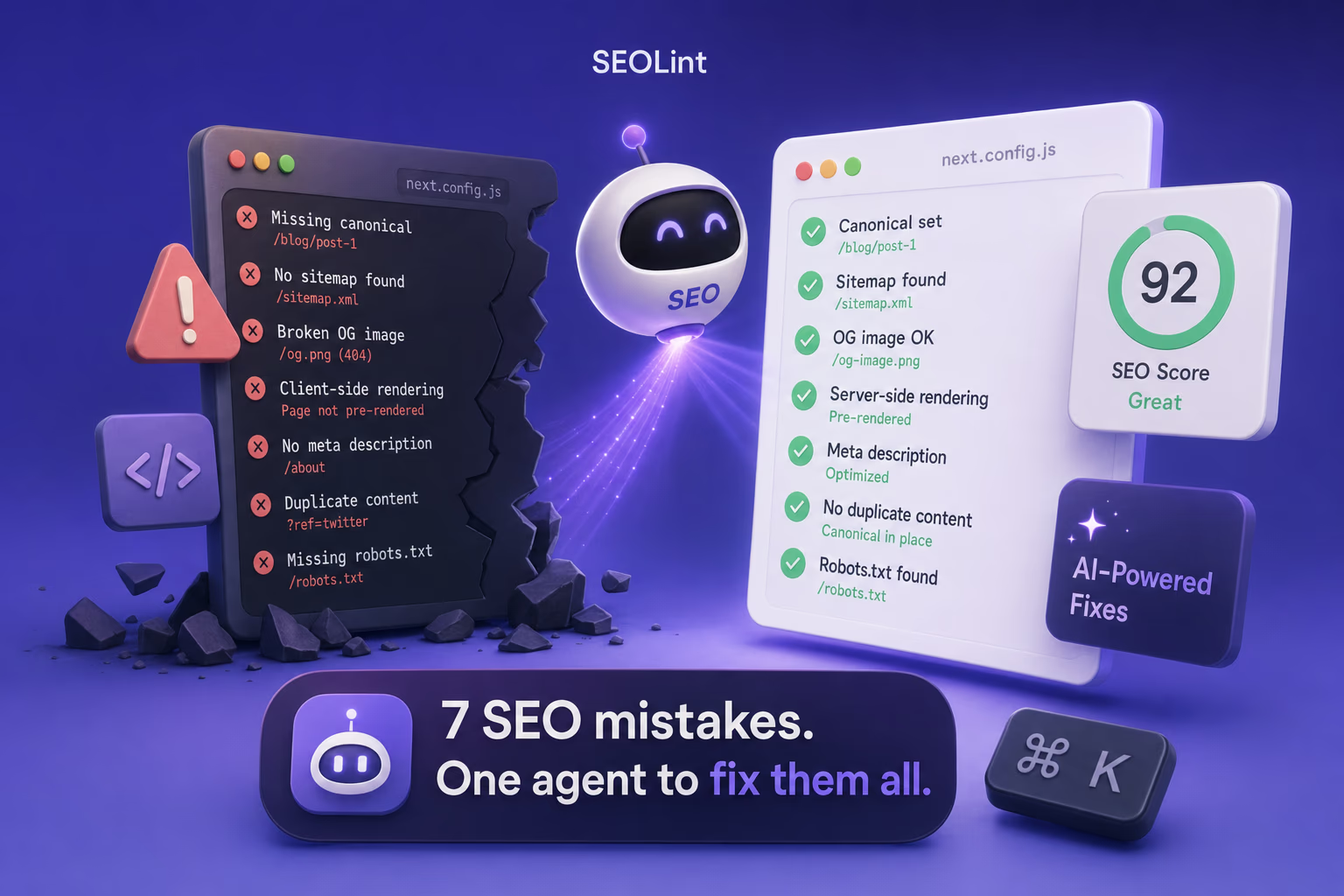
7 SEO Mistakes Every Next.js App Makes (and How to Fix Them)
The 7 most common SEO mistakes in Next.js apps: missing canonicals, no sitemap, broken OG images, client-side rendering, and more. Includes copy-paste fixes.
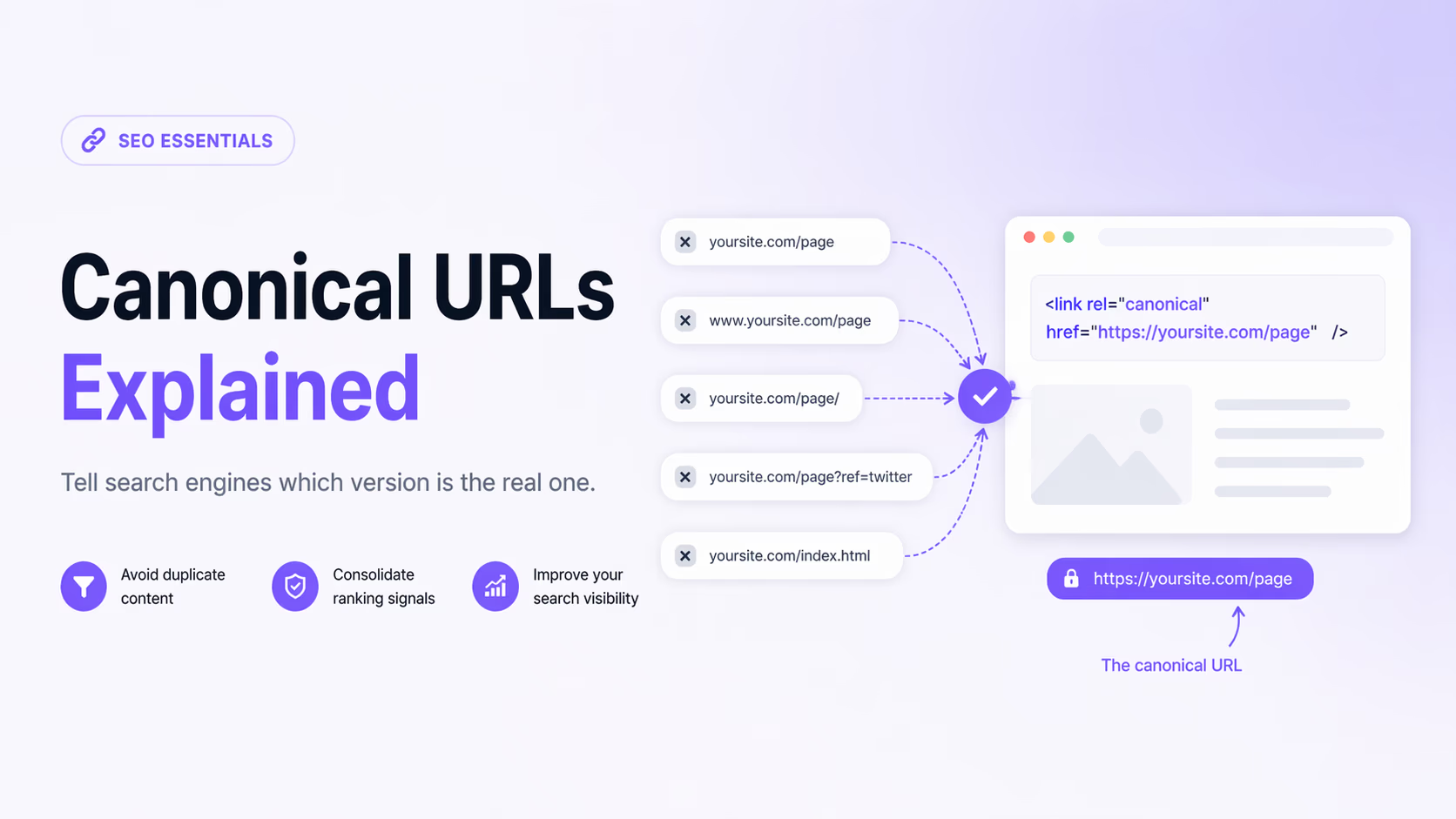
Canonical URLs Explained: Why Your Site Needs Them
Learn what canonical URLs are, why they matter for SEO, and how to implement them correctly. Covers self-referencing canonicals, common mistakes, and Next.js examples.

Automate SEO Audits with an AI Agent
Build an AI agent that scans your site for SEO issues and applies fixes automatically. Uses the SEOLint API with Claude Code, Cursor, or GitHub Actions.
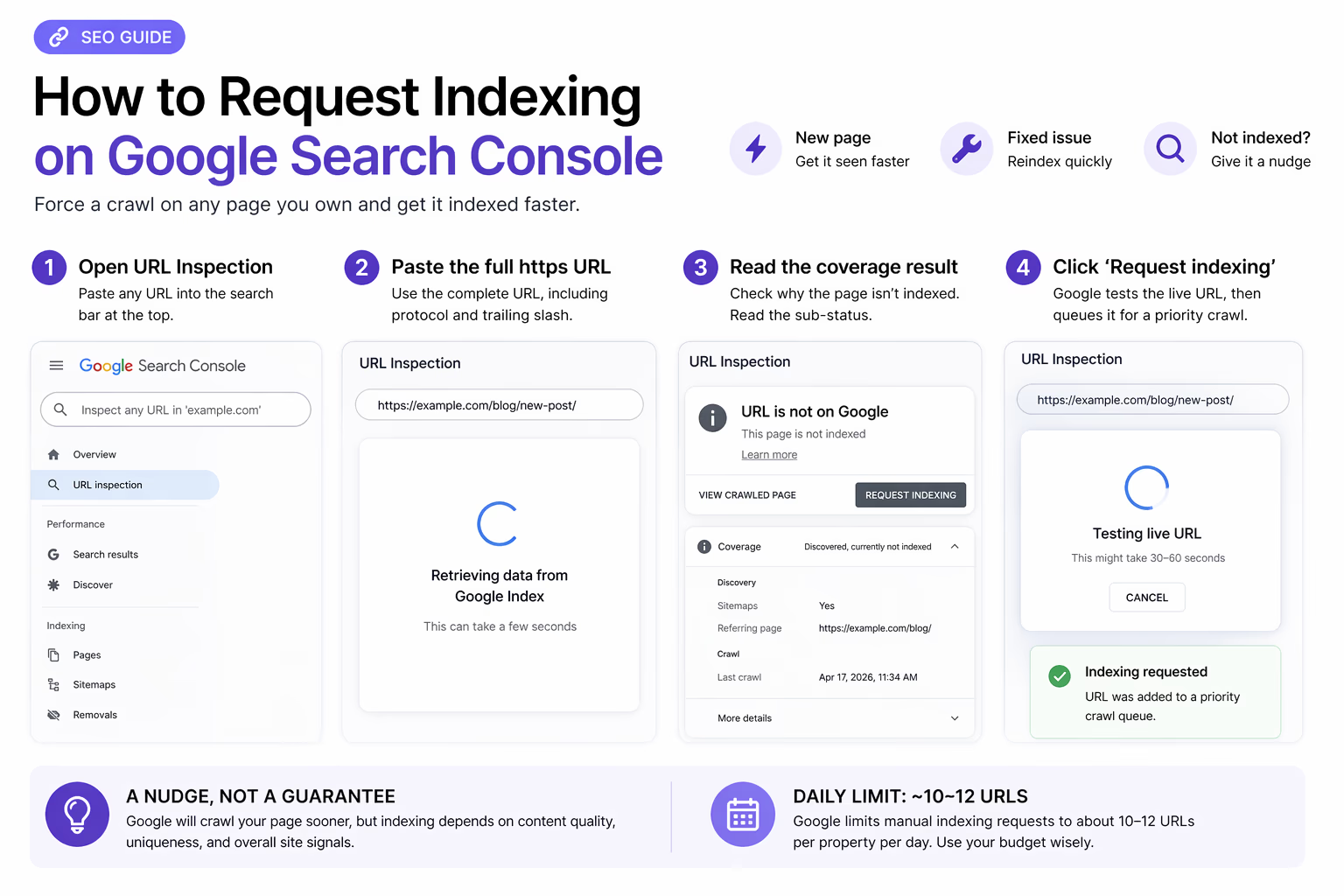
How to Request Indexing on Google Search Console: A Step-by-Step Walkthrough with Screenshots
Learn how to manually request indexing on Google Search Console using URL Inspection. Step-by-step walkthrough with screenshots, daily submission limits, and how long indexing takes.
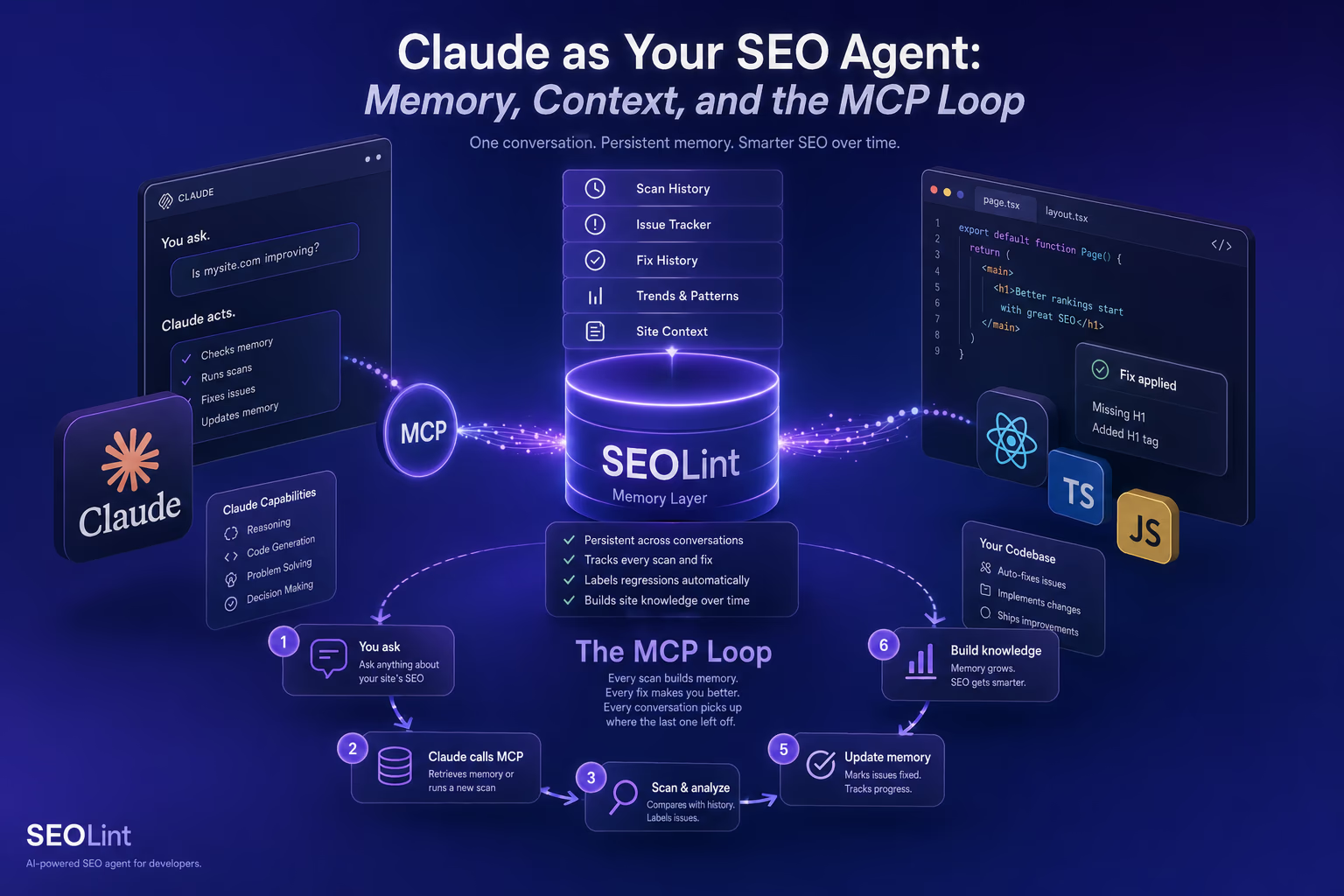
Claude as Your SEO Agent: Memory, Context, and the MCP Loop
How to use Claude as a persistent SEO agent with SEOLint. Every scan builds memory. Claude tracks trends, labels regressions, and fixes issues. all from a single conversation, without ever losing context.

Why Your SEO Tool Should Have Memory (And Most Don't)
Stateless SEO scanners give you a list and close the tab. A persistent SEO agent remembers what was fixed, tracks trends, and tells you if things are getting better or worse. Here's why memory changes everything.
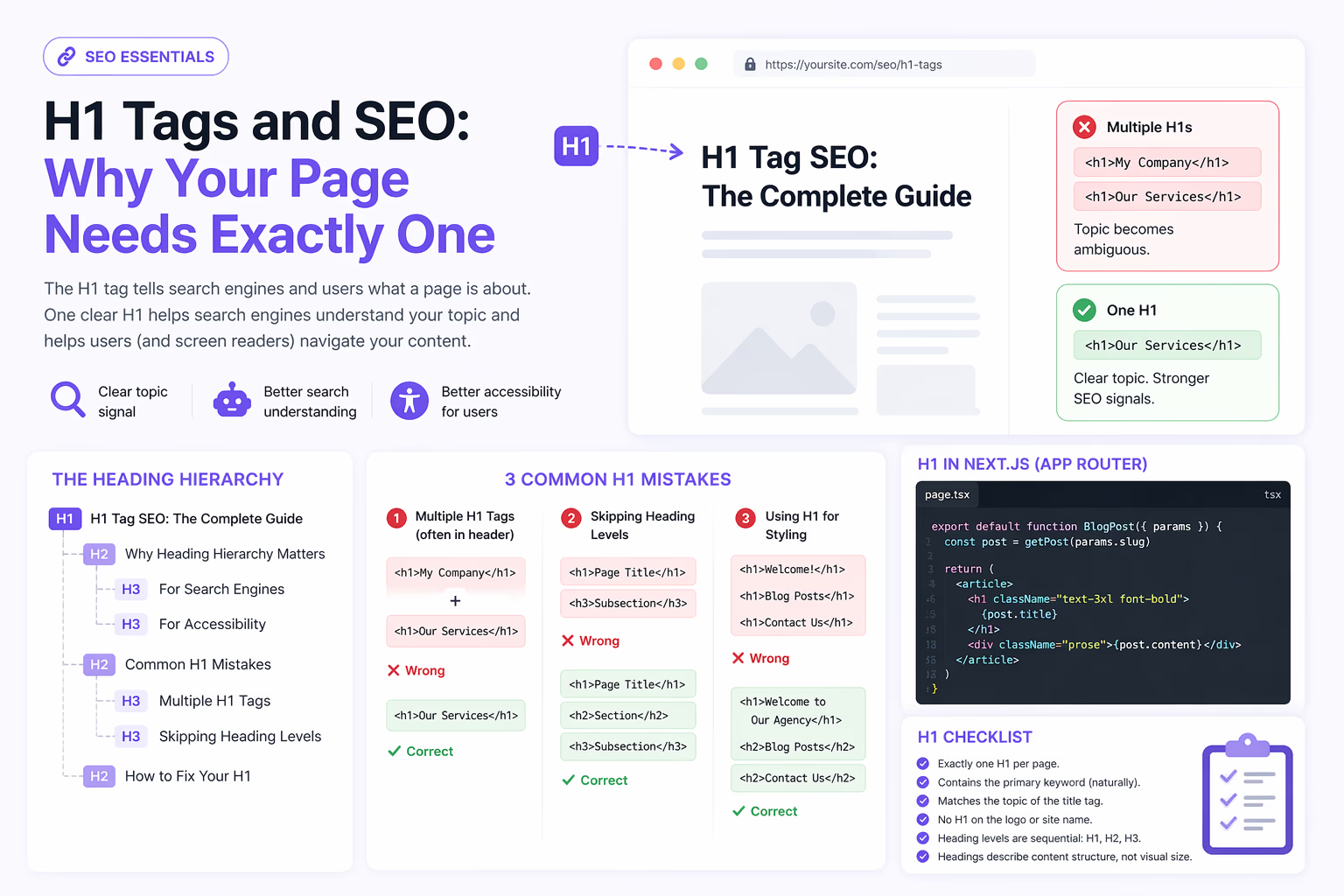
H1 Tags and SEO: Why Your Page Needs Exactly One
Learn why every page needs exactly one H1 tag for SEO. Covers heading hierarchy, common H1 mistakes, and how to fix them with practical code examples.
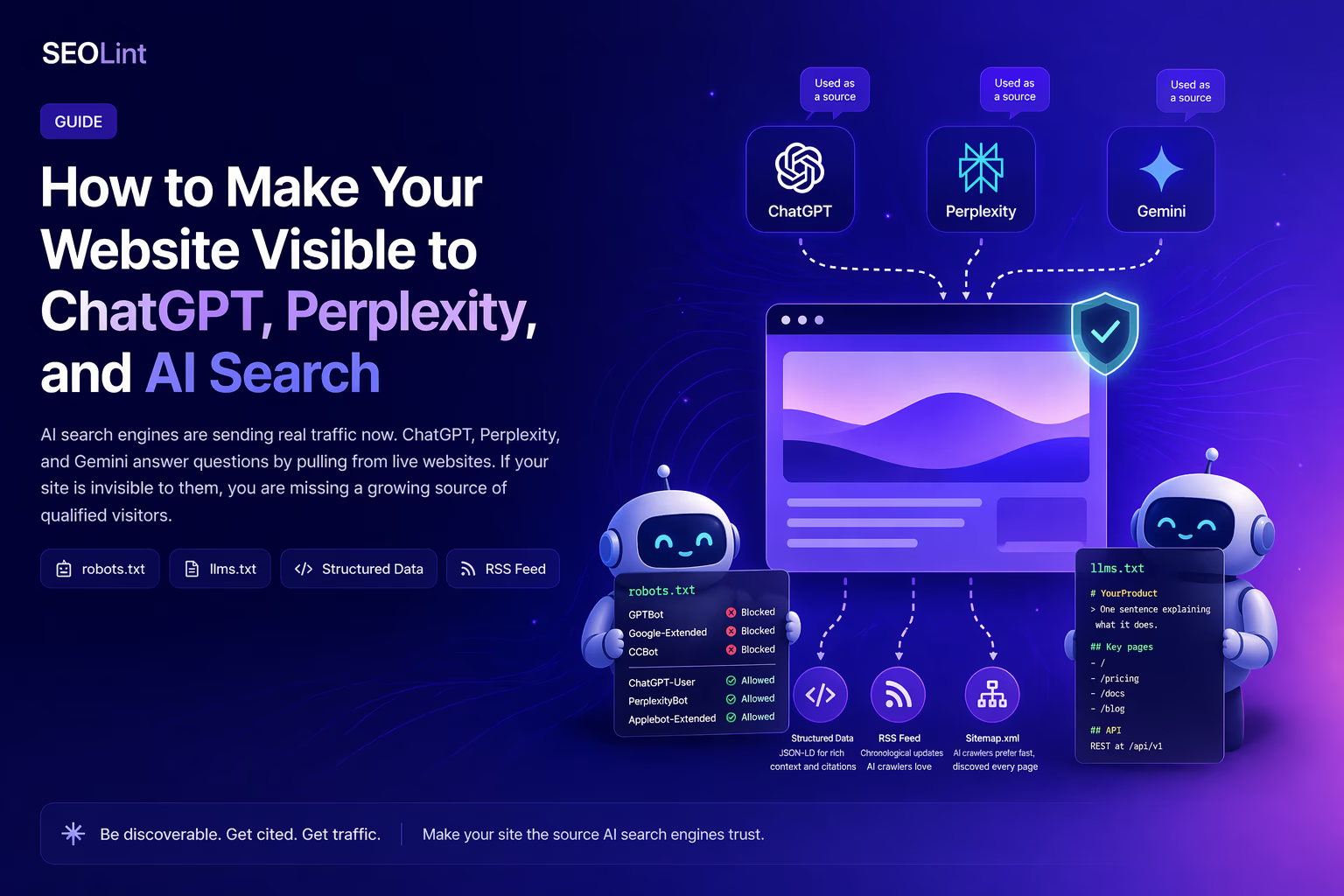
How to Make Your Website Visible to ChatGPT, Perplexity, and AI Search
Learn how to make your website visible to ChatGPT, Perplexity, and AI search engines. Covers llms.txt, robots.txt rules, structured data, and RSS feeds.
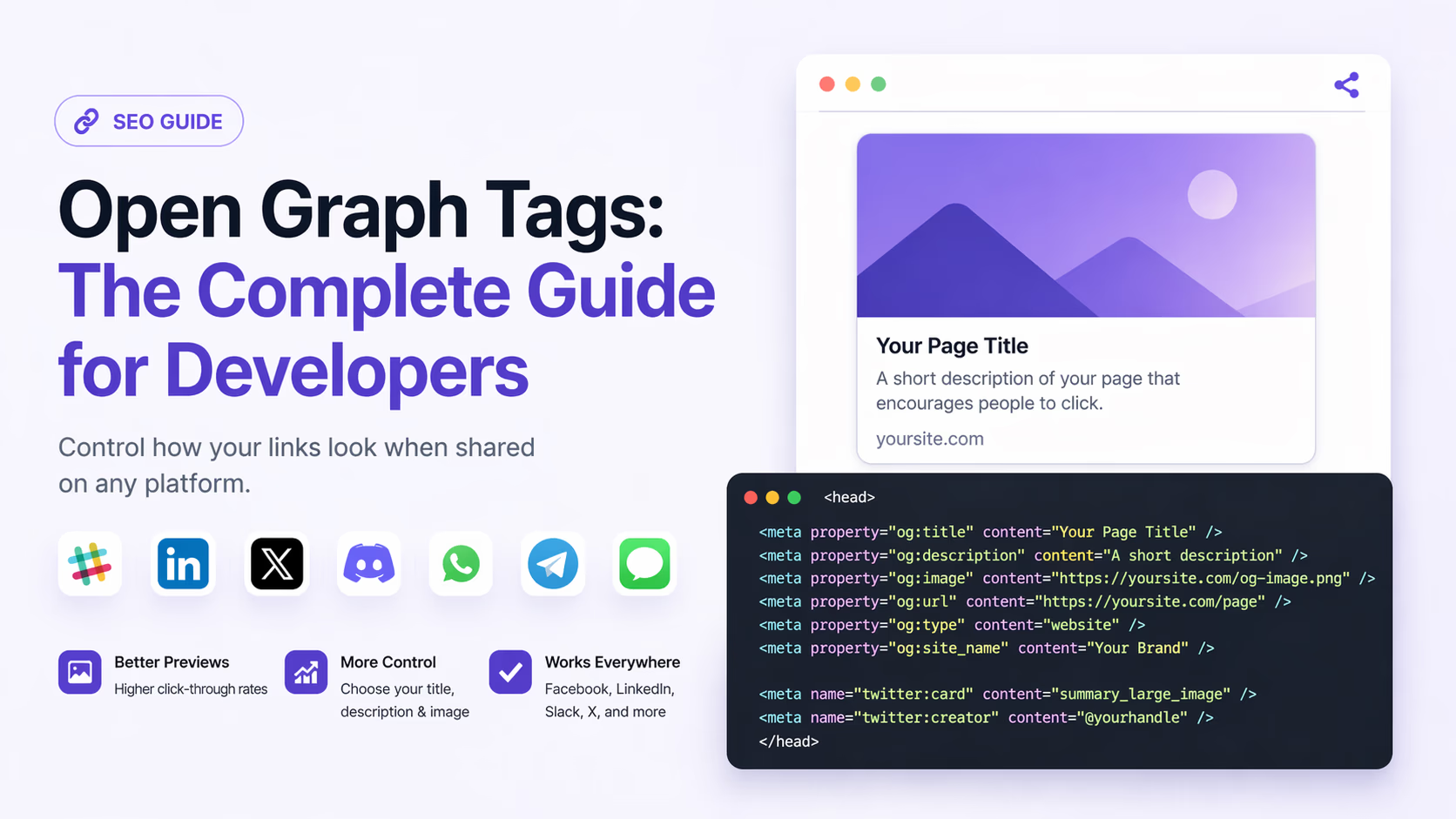
Open Graph Tags: The Complete Guide for Developers
Learn how to add Open Graph tags to your website. Covers og:title, og:description, og:image, twitter:card, and Next.js metadata API examples.